
Shopping Cart

- -15%

Which walls suffer from this type of problem?
All surfaces and mortars that include sand in their composition are susceptible to this gradual degradation.
This is very common in cement, concrete and brick walls, as well as those built with sandstone.
In these cases, a water-resistant wall sealant will stop this erosion in its tracks.

This product's sole purpose is to consolidate the support and achieve a harder surface.
Furthermore, it halts the progression of the natural process of disintegration and degradation of the surface layers of the stone.
At Pinturas Angar we have a wall fixer and hardener made from potassium silicate, an ecological mineral that guarantees impeccable results in these situations.
This liquid penetrates the stone thanks to its low viscosity and compacts its surface through a mineralization process.
This chemical reaction forms microscopic quartz crystals that help improve the original properties of the facade. One of its advantages is that it leaves no marks or residue on the stone.
By applying silicate consolidant , you will maintain the natural characteristics of the facade, as it does not clog the pores or lose its breathability or waterproofing capacity.
In fact, the consolidant helps to restore the water-repellent capacity of the substrate to expel the water accumulated inside.
The end result is a mineral varnish that is also environmentally friendly. It is not harmful to the skin, mucous membranes, eyes, or respiratory system, and it is also non-flammable.
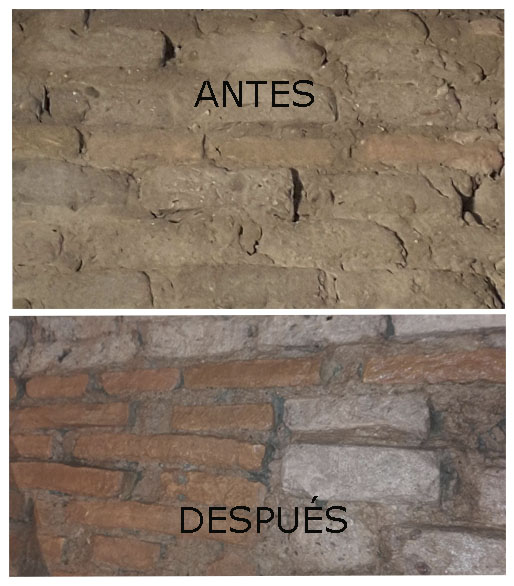
This stone wall fixer can be used on structures that have been built with limestone.
It is also very effective on siliceous surfaces and in the repointing of stone walls.
Furthermore, it is suitable for modern buildings with brick walls that have lost their properties over time, as well as concrete.
In traditional adobe constructions, it helps to restore their original hardness. It can also be used to restore plaster or drywall linings that have been affected by dampness or leaks.
In general, any porous surface is capable of absorbing the product and benefiting from all its properties.
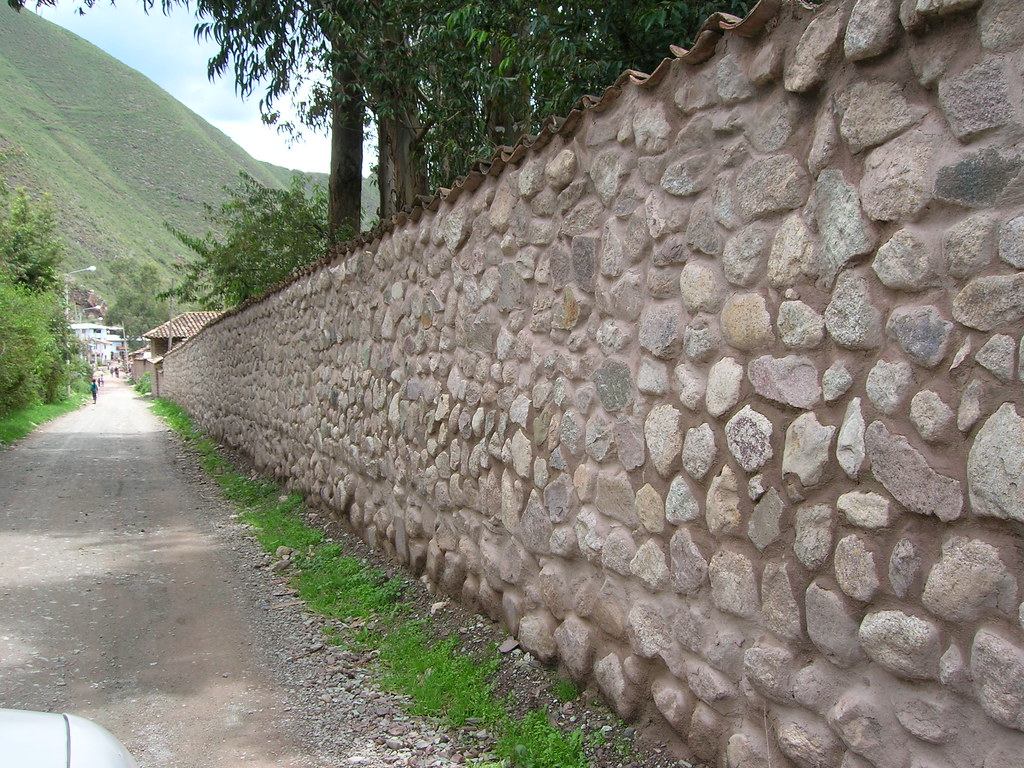
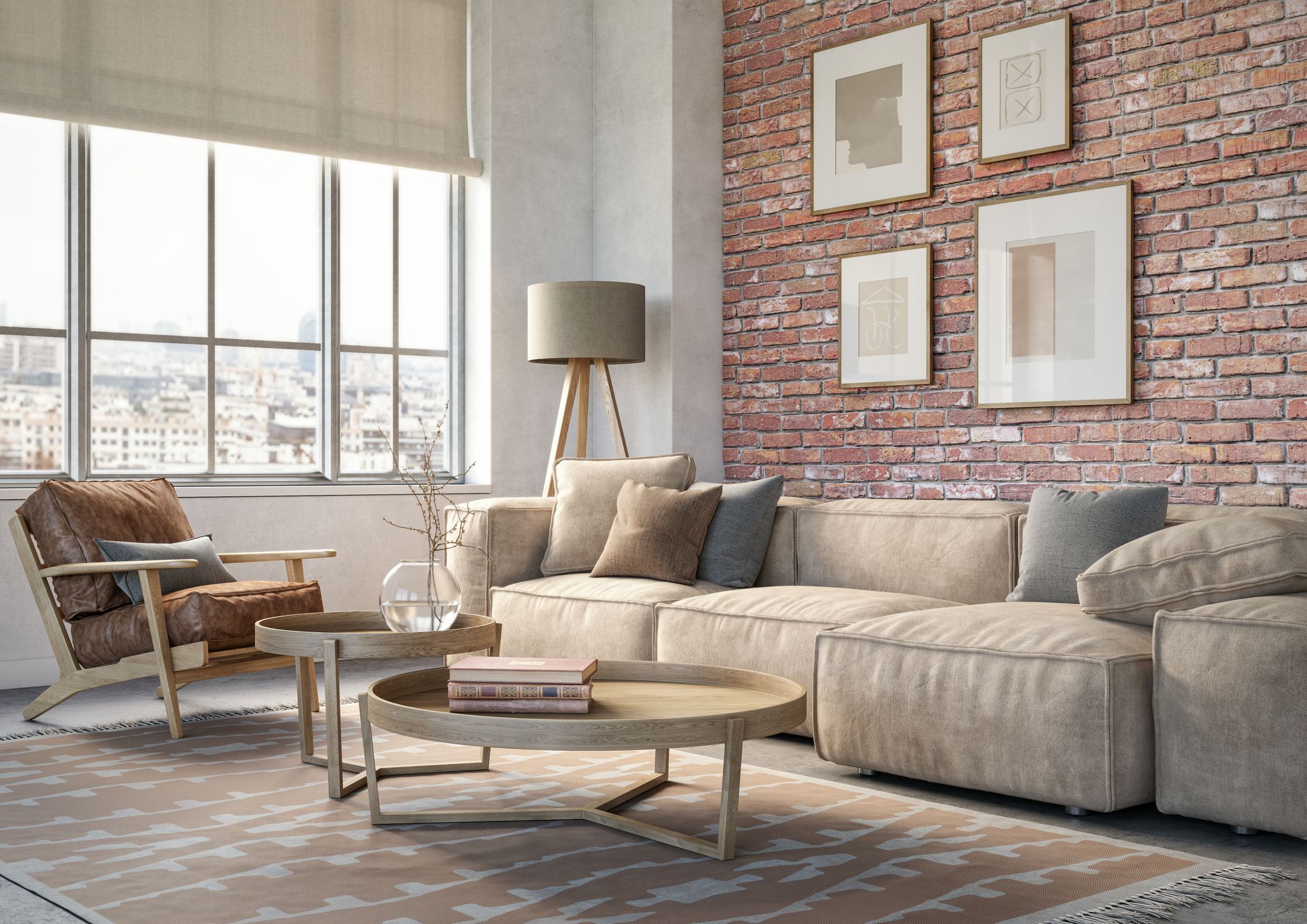
The rehabilitation of a facade of this type requires following a series of steps to achieve quality results.
First of all, the first thing you should do is check the source of the problem. Each material has its own characteristics and is affected differently by elements such as rain or wind.
Here you can find different materials for repairing and preparing supports, CLICK HERE TO SEE THEM.
In these cases, the first thing you should do is thoroughly clean the surface on which you will carry out the repair.
Use a wire brush to remove most of the most damaged layer.
You will notice that in this type of wall you can loosen small pieces of stone simply with your fingers, an unmistakable sign that they have suffered great deterioration.
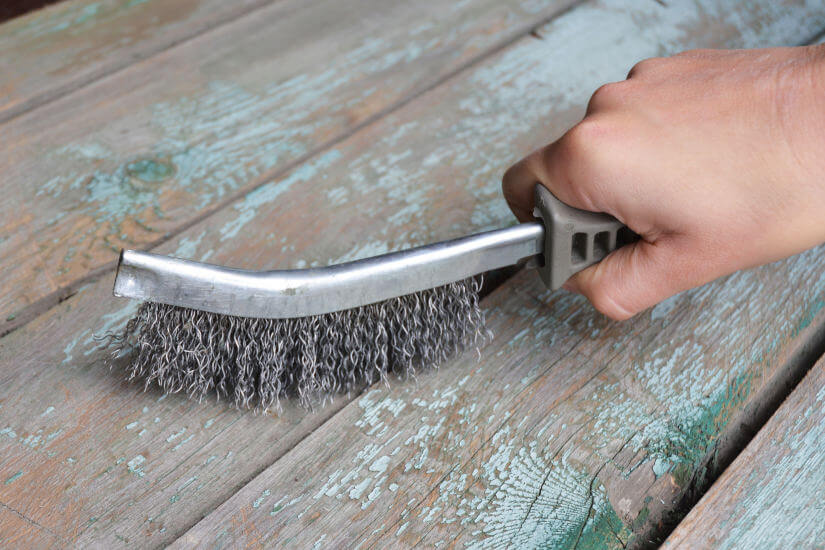
If so, it will be necessary to clean the entire area until all the eroded material is completely removed.
Afterwards, it is advisable to lightly brush the area to remove any dust and debris that may have remained.
If you are going to apply it to the floor, use a vacuum cleaner and thoroughly sweep the entire area to ensure that the liquid penetrates the surface.
If the floor has been used as a parking lot or garage, it may have traces of oil or grease.
If so, you will need to carry out a thorough cleaning, removing any residue that may hinder the action of the fixative.
It is very important to achieve good penetration of the product, especially in old concrete.
Once you have everything ready, you will be able to use the fixative following the instructions for use, which you can read carefully in the product data sheet for the silicate consolidant, or wall fixative and hardener , and which we briefly explain here.
Mix well. - The first thing you should do is homogenize the hairspray. The most effective way to do this is to stir the liquid for a few seconds using a small mixer or a wooden stick.
Depending on the size of the surface to be treated, you have the option of completing the project with a paint sprayer, sprayer, airless sprayer, etc., or using a roller or brush. Since it's an eco-friendly, mineral-based, water-based product, you can clean all your tools under a tap when you're finished.
To improve the result, we recommend applying several coats with a small amount of fixative, so that the surface can gradually absorb it, before considering the job finished.
This way you won't saturate the wall or surface you're applying the wall fixative to, and you'll achieve better product penetration.
When finishing the work, if you do not want to leave the stone exposed, we recommend that you use a lime-based mortar that maintains the proper breathability of the partition and prevents the accumulation of moisture.
You can also use breathable paints that prevent water from penetrating the wall and facilitate the drainage of any water that has accumulated. For example, silicate paints .
Another alternative that will help you increase the habitability inside is to carry out a wall lining , either with plasterboard or bricks.
In both cases, it is important to incorporate insulation with a vapor barrier to prevent ambient moisture from penetrating the repaired wall.
Furthermore, this action will allow you to improve the building's thermal efficiency and achieve considerable energy savings.
As you can see, renovating an old wall is more than possible. You'll only need a wall and facade sealant to restore its natural properties and extend its lifespan without the need for costly renovations.
Access from here to our entire catalog of products for facades and exterior walls, CLICK HERE!
