

Shopping Cart
Varnishes, choosing the right one
Its composition and finish determine the product that should be used on each surface.
Varnishes provide protection. In particular, parts or areas exposed to wear gain resistance thanks to their action.
They improve the result with professional finishes, while also achieving greater durability.
Depending on the surface or material they will be applied to, there are different types of varnishes. Choosing the most suitable one guarantees a perfect finish.
The painting and carpentry work is enhanced by the varnishes.
They camouflage scratches and cracks, protect against fire, or counteract the effects of humidity and water vapor in rooms such as the bathroom or kitchen.
They are mostly applied to the floor and furniture, outdoors.
BASIC CONCEPTS TO CONSIDER BEFORE CHOOSING A VARNISH
WATERPROOF VARNISH

A water-repellent varnish is a varnish that repels water, but is not waterproof . When applied, water rolls off, but over time it loses this property and is not suitable for permanently pooling water.
It can be applied when we don't need to waterproof, but we want to secure the support.
Water-repellent varnishes are usually breathable, allowing the substrate to breathe.
WATERPROOF BANIZ
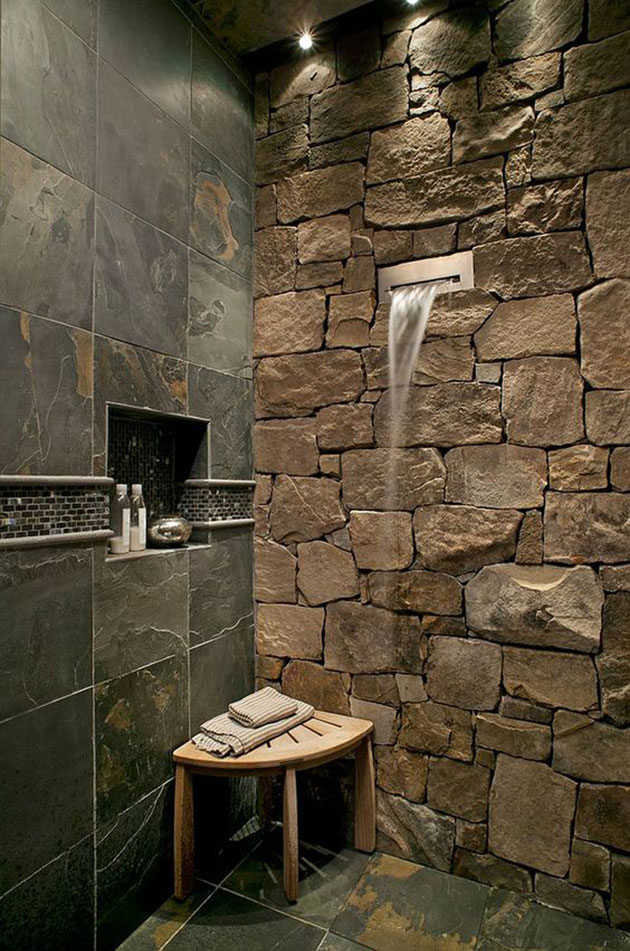
A waterproof varnish can never be breathable, as it creates a plasticized layer. A good waterproof varnish must resist water pooling (puddles on the floor, cleaning with hoses, etc.).
COLORLESS OR TRANSPARENT VARNISH

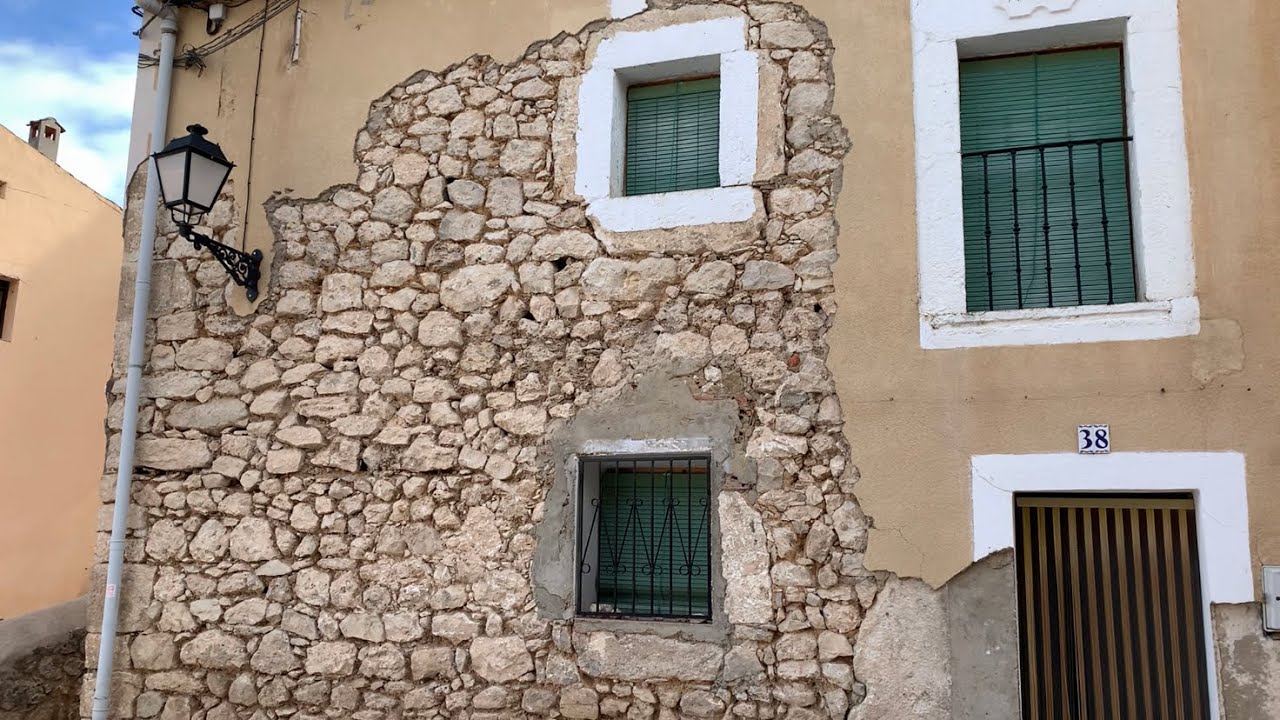
Colorless or transparent varnish is one that, when applied, allows the support to show through, but we must also take into account that it will visually change its appearance, in that it will raise the tone of the support.
For example, on stone, brick, etc., it will give a wet effect. If we want to know roughly how it will look after applying it, we just need to wet the wall a little to see the final tone after applying the varnish.
INVISIBLE VARNISH.

Invisible varnish is that which, after application, shows no visual difference from the unvarnished piece.
We can use it when we want to varnish interior stone walls, and we don't want it to raise the tone of the surface.
SOLVENT-BASED VARNISH OR WATER-BASED VARNISH.
The main difference between the two is the smell. Water-based varnishes don't smell when applied, and we don't need to ventilate afterward, unlike solvent-based varnishes (which can have a slight odor for 1 or 2 days).
The areas where they are applied can be used immediately with water-based varnishes.
The difference lies in whether we need a higher quality varnish, whether for waterproofing, for better adhesion to the substrate, for greater hardness and resistance to traffic or external agents, etc.
Solvent-based varnishes are usually of higher quality and more resistant than water-based varnishes.
WHAT QUESTIONS DO I NEED TO ANSWER BEFORE CHOOSING A VARNISH?
- Do I need a waterproof varnish, or do I want to protect and secure the support?
-Do I mind if the varnish enhances the tone of the material being varnished? I want it to enhance the tone of the support!
-I want a breathable varnish, one that allows the surface to breathe?
-Where am I going to apply the varnish? On a floor, a wall, wood? Will it be walked on by people or cars?
-Do I need a water-based varnish or can it be solvent-based?
ONCE WE HAVE ANSWERED THOSE QUESTIONS, WE CAN DECIDE WHICH VARNISH TO USE
Varnish for exterior walls or facades

IF YOU WANT TO BUY VARNISH FOR EXTERIOR WALLS OR FACADES, CLICK HERE
WE HAVE DIFFERENT TYPES OF VARNISHES TO SUIT ALL NEEDS.
We will use this varnish when our purpose is to waterproof the surface. It is an excellent quality waterproof varnish that allows for the accumulation of both fresh and salt water.

Waterproof varnish, which can be used for floors, facades, roofs, party wall joints, roof-wall joints, swimming pools, galleries, terraces and all types of supports.

Walkable varnish, for pedestrian traffic.
We must keep in mind that this varnish is transparent or colorless, but it will raise the tone of the support, and the finish is satin.
It is a solvent-based varnish.
We will use this varnish when our purpose is to secure and protect the supports. It is a breathable varnish that does not create a film on the support.
Water-repellent varnish that repels water, but does not waterproof.
Very suitable for the protection of brick, stone and masonry.
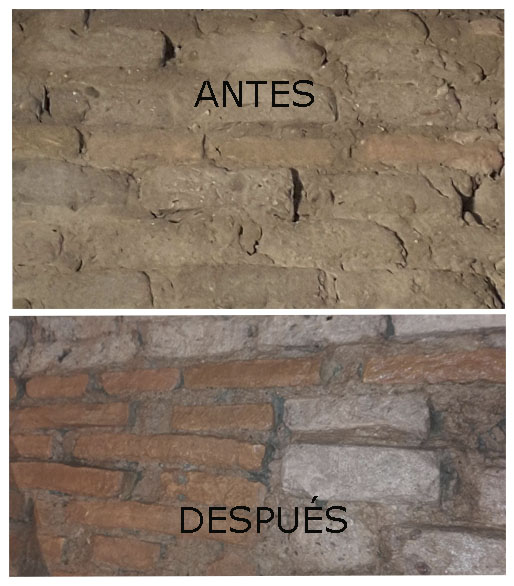
This breathable exterior varnish is colorless or transparent, so it will enhance the tone of the surface when applied, and the finish is satin.
It is a solvent-based varnish.
WATERPROOF, INVISIBLE, SOLVENT-BASED VARNISH
This varnish can be used when we want an INVISIBLE VARNISH, one that is not noticeable when applied.
We must keep in mind that it is NOT waterproof.
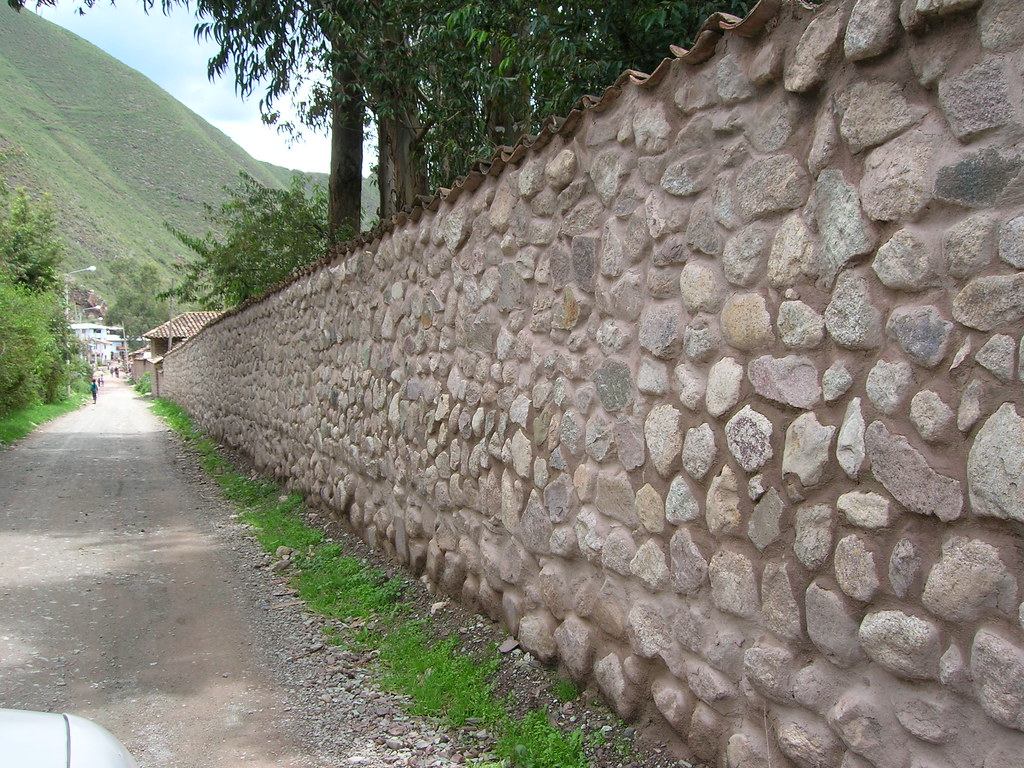
This water-repellent varnish can be used to varnish interior surfaces of stone, brick, etc., where we want to secure the support (to prevent the wall from shedding dust or dirt) but do not want any change to be noticeable on the wall.
It is a solvent-based varnish with an invisible finish.
WATERPROOF, INVISIBLE, WATERPROOF VANISH
Water-based varnish that is odorless upon application and requires no subsequent ventilation. The varnished room can be used immediately.
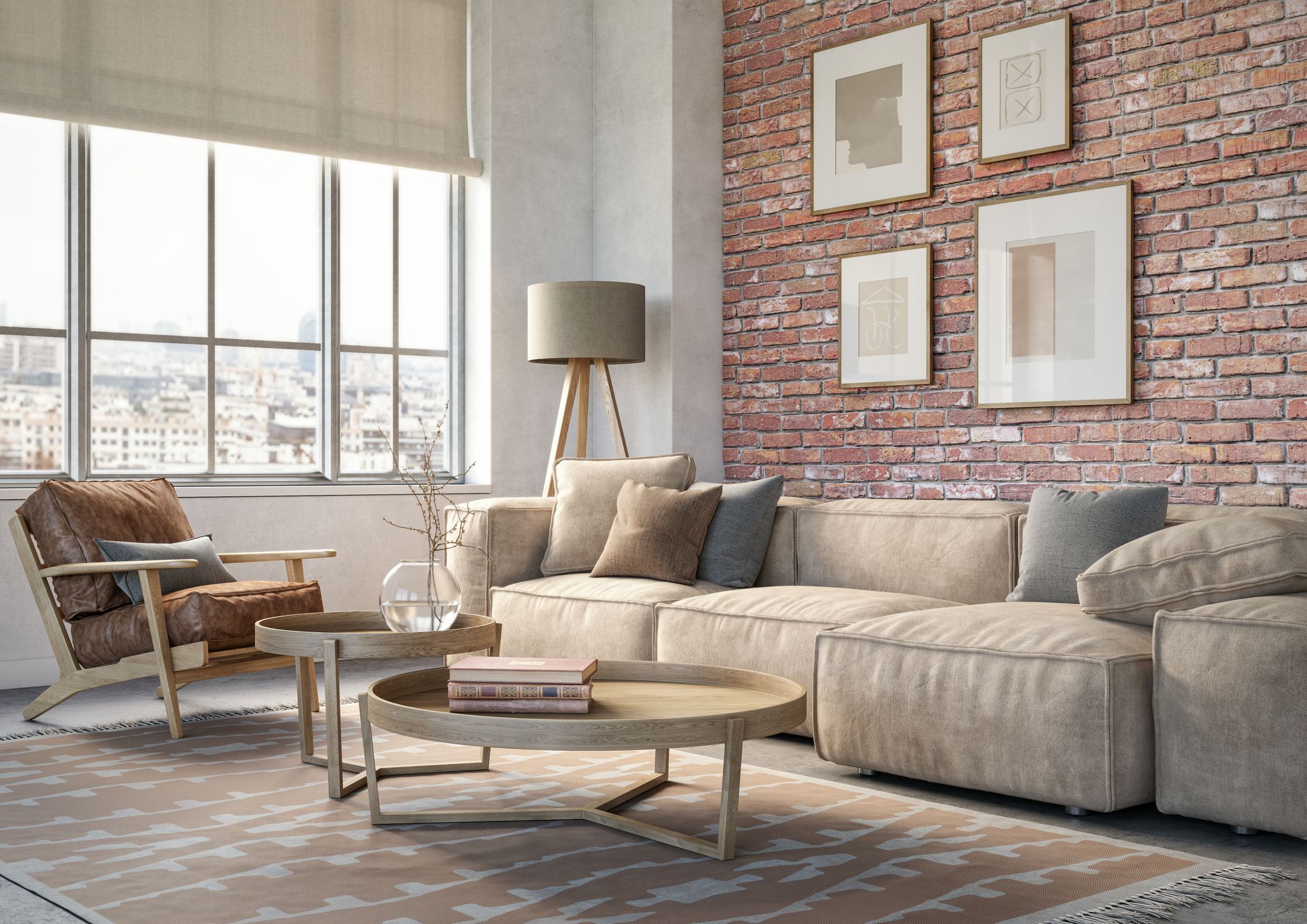
IT IS AN INVISIBLE VARNISH, which makes no visual change to the surface once applied.
It is a water-repellent varnish, which repels water, but it is not a waterproof varnish, as it is breathable.
This varnish can be used for interior walls that do not require high resistance to the elements or atmospheric aggression, for holding dirt and dust away from stone, brick, etc. walls.
It is a water-based varnish with an invisible finish.
Concentrated latex is a water-based varnish that can be used on painted walls, with cheap or low-quality paints, with tempera or lime paint, and serves to create a water-repellent layer that gives the surface a glossy film that is easy to clean and has great adhesion.
It is not waterproof and has a glossy finish.
WOOD BANIZ

IF YOU WANT TO BUY WOOD VARNISH, CLICK HERE
WE MUST MAKE THREE MAIN GROUPS WITHIN WOOD VARNISHES
OPEN-PORE VARNISHES OR WOOD STAINS
Open-pore varnish for wood is a varnish that does not create a layer, so over time it will disappear, but it will not cause peeling or flaking, and it does not need to be sanded to apply another coat of varnish or stain, either at the time or when we need to varnish the wood again.
When applying this type of wood stain or varnish, we must keep in mind that we will not visually see when the wood needs to be varnished again (because it will not create flakes), but that does not mean that the wood is protected; we must check our windows or doors, etc., annually so that they remain protected.
CLOSED-PORE OR SYNTHETIC VARNISH.-
Synthetic wood varnish is the most widely used for protecting and decorating wood; it can be used in gloss, matte, or satin finishes.
It is a closed-pore varnish, which does not allow the wood to breathe.
It provides films with great hardness and resistance to rubbing and abrasion. It leaves no brush marks.
Very suitable for the protection and decoration of wood, indoors and outdoors.
Completely washable, even with household detergents.
TWO-COMPONENT VARNISH OR POLYURETHANE.-
Two-component polyurethane varnish is the highest quality and offers great physical and mechanical resistance.
We will use this varnish for wooden floors that will have foot traffic, or mechanical or chemical friction.
We will use it when we want to give a higher quality protection to our outdoor wood, against atmospheric aggressions.
This exterior wood varnish has a FIREPROOF or FIRE RESISTANT certification, and we can use it when we have wooden walls, ceilings or floors and want to give them greater protection against fire, as it prevents the spread of fire.
FLOOR VARNISH
IF YOU WANT TO BUY BANIR FOR THE FLOOR, CLICK HERE
We have three main groups of floor varnishes: for wooden floors, for stone, concrete, etc. floors, and for painted floors.
WOOD FLOOR VARNISH
When the floor we want to varnish is made of wood, we can see the difference between varnishes for wood floors in the previous point, WOOD VARNISH.
Varnish for stone, tile or concrete floors
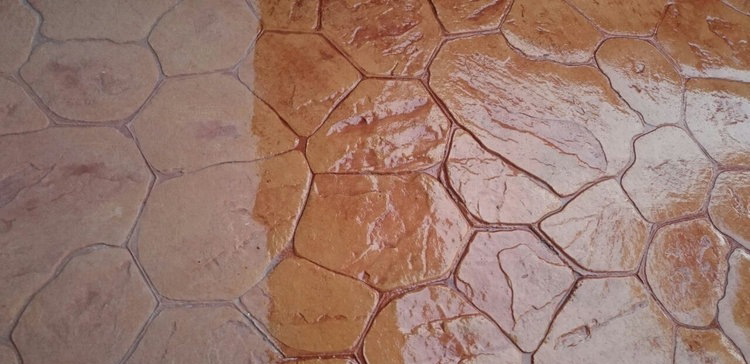
When the floor we want to varnish is made of stone, stamped concrete, masonry, brick, tiles, etc., we can find out the most appropriate varnish for each surface and situation ; we will use almost the same varnishes as for exterior walls or facades.

It is a varnish that, due to its properties, is used for sealing stamped concrete floors.
It is used for sealing and protecting concrete, both decorative and stamped concrete pavements.
High durability, far exceeding most products on the market.
Very suitable for resin coating of stamped concrete pavements .
Excellent water resistance, water repellency.
VARNISH FOR PAINTED FLOORS

Normally, with a good floor paint, we won't need to varnish the floor after painting it.
But even if this isn't the case, you can use some type of varnish, always taking into account the type of paint that is currently applied to the floor.
You can never use a varnish stronger than the paint applied, because it would remove it.
If this is your case, we advise you to consult us personally, and our technicians will be able to advise you individually, depending on the support situation and its use.
Call us or get in touch. We'd be happy to advise you.
Comments (21)